

Oil and Transportation Management Software: Optimizing Logistics and Compliance
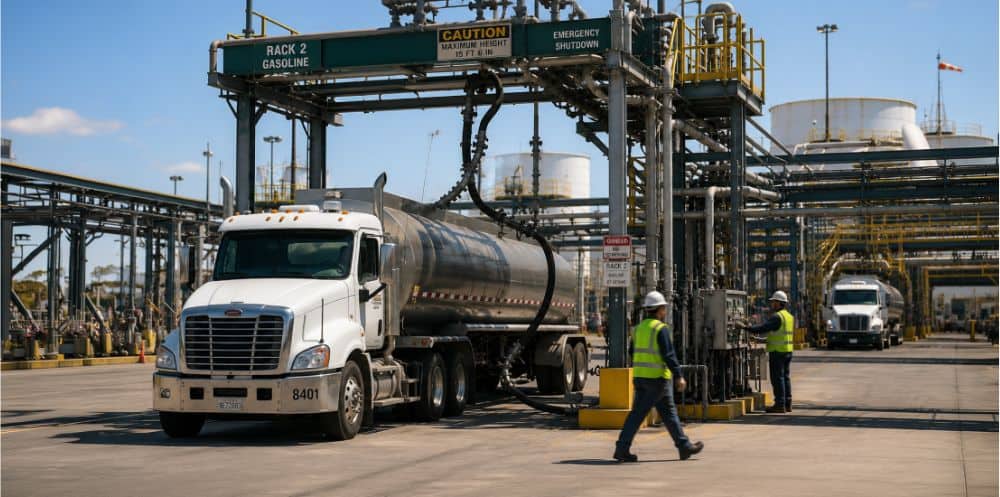
Oil and gas transportation management software gives midstream operators one connected system to track volumes, price complex contracts, invoice accurately, and stay audit-ready. The right platform replaces spreadsheets and disconnected tools with automated allocations, real-time measurement data, and transparent calculations, so teams close faster and keep shippers happy.
Here’s a closer look at why hydrocarbon logistics is so demanding, where operators get stuck, and how modern software clears the path.
The Unique Complexity of Oil and Gas Logistics
Moving hydrocarbons ranks among the hardest logistics problems in the industry. A single stream of gas or liquids can pass through gathering lines, processing facilities, terminals, and long-haul pipelines before it ever reaches a customer, and every leg of that journey creates volumes, contracts, and obligations that all have to reconcile. Midstream operators juggle thousands of meters, dozens of shippers, and pricing terms that change from one contract to the next.
On top of all that, regulators want documentation, month-end deadlines don’t move, and customers expect an accurate invoice when it’s due. The margin for error is thin. Small errors in volume data or allocations ripple downstream into disputed invoices, delayed closes, and compliance risk. Speed and accuracy both matter, and getting one without the other isn’t good enough.
Common Challenges with Oil and Gas Logistics and Compliance
Allocating Volumes Across Shippers and Contracts
Distributing volumes correctly across multiple shippers, contracts, and delivery points is a heavy lift. Doing it by hand invites errors, and a single miscalculation can throw off an entire month of settlements.
Slow and Error-Prone Invoicing
When invoicing depends on spreadsheet pulls and checks, month-end drags on. Late or inaccurate invoices frustrate customers, generate support queries, and slow down cash flow at the worst possible time.
Contract Terms That Keep Changing
Tariffs, volume commitments, pricing tiers, and escalations rarely stay still, and they usually differ by contract. Managing all those variables outside a purpose-built system means constant maintenance and a real risk of applying the wrong rate.
Regulatory and Audit Pressure
Compliance demands full traceability. Work done in side spreadsheets outside a controlled system creates audit gaps and makes it harder to prove how a number was reached when a regulator or partner asks.
Disconnected Data and Manual Workarounds
Many operators run measurement, contracts, and accounting in separate tools that do not talk to each other. The gaps get filled with manual data transfers, which waste time, introduce errors, and leave everyone working from different versions of the truth.
Overcoming Obstacles with Oil and Gas Transportation Management Software
Faster Processing and Quicker Closes
Purpose-built software shortens month-end close by processing large datasets in a fraction of the time. Operators can complete multiple reruns in a single day, or even within an hour, so a late correction no longer derails the entire close.
Accurate, Automated Allocations
An advanced allocation framework distributes complex volumes across shippers and contracts automatically, managing dependencies without manual intervention. That means fewer errors and hours saved that would otherwise go to reconciling volumes in spreadsheets.
Transparent Calculations You Can Trust
With CalcTrace, users get step-by-step visibility into how every settlement and invoice value was calculated, breaking down volumes, formulas, variables, escalations, and rates. That clarity speeds up dispute resolution and builds confidence with partners who want to understand the “why” behind the numbers.
Real-Time Measurement Integration
Pulling measurement data directly into accounting workflows keeps volume tracking precise and financial reporting accurate. Operators spot imbalances as they happen, validate volumes faster, and reduce the discrepancies that lead to reruns and disputes.
Fewer Invoice Disputes and Cleaner Audits
A customer access portal lets shippers view their own data, which reduces back-and-forth and cuts disputes before they start. Full audit traceability inside the system limits the risk that comes with manual work done outside of it, so audits go more smoothly, and compliance stays intact.
Room to Grow
As an asset portfolio expands, the software scales with it. Adding meters, contracts, and delivery points does not require a new system or a painful reimplementation.
Discover Oil and Gas Transportation Management Software with W Energy
W Energy’s Pipeline Accounting solution brings all of this together for midstream transportation operators. The Transportation and Terminal Management module streamlines pipeline operations for gas and liquids, connecting critical points, contracts, and data handling for faster processing and greater transparency across large-scale data and invoicing.
Built-in tools include easy allocations with dependencies, flexible fee structures driven by user-defined formulas, tariff management for complex pricing, automated process scheduling, and a shipper portal for real-time nomination and inventory access. An Excel-like data grid keeps review and analysis familiar for your team, while quick processing takes large datasets from preparation through accounting in seconds.
Want to see how much time your team could reclaim? Request a demo today and watch W Energy’s transportation module work with your own scenarios.