

Why Oil and Gas Infrastructure Reliability Depends on Operational Data Visibility
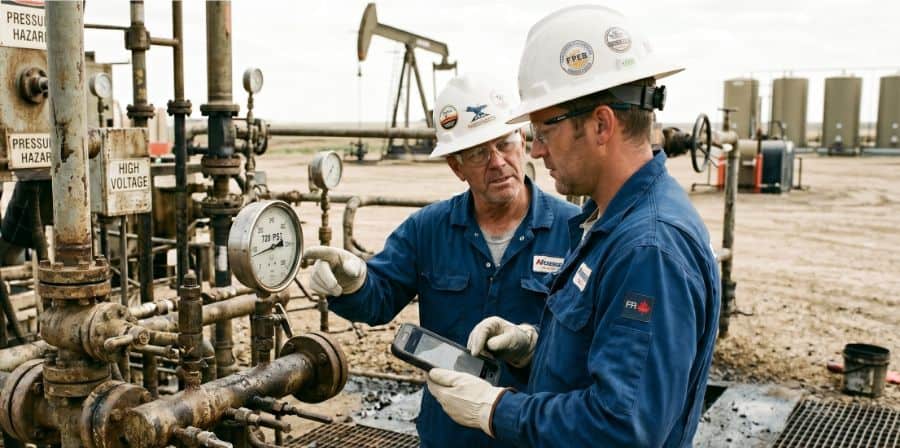
Infrastructure reliability in upstream oil and gas depends on one thing above all else: knowing what’s happening across your assets in real time. When operators can see production volumes, equipment status, and field conditions as they change, they can act before small issues become expensive shutdowns. When they can’t, problems compound quietly until a tank overflows, a well backs up, or a compressor fails without warning.
The trouble is that most upstream operators are working with fragmented visibility. Data lives in separate systems, field crews use different apps for different tasks, and the back office often learns about field problems hours or even a full day after they happen. Closing that gap is what separates operators who hit their production targets from those who keep chasing them.
What Infrastructure Assets Oil and Gas Operators Must Monitor
Upstream infrastructure covers a wide range of physical assets, and each one generates data that matters. Wells, tanks, separators, compressors, pumps, flowlines, meters, and artificial lift equipment all need consistent monitoring. Beyond the equipment itself, operators have to track pressure profiles, daily water volumes, flowback information, gauges, run tickets, downtime events, and well tests.
Regulatory and compliance data adds another layer. Environmental inspections, safety audits, and state-specific reporting requirements mean that infrastructure monitoring isn’t purely an operational exercise. It’s also a legal one. Missing any piece of that puzzle can create real financial exposure.
Why Infrastructure Visibility is a Major Operational Challenge
Getting a clear picture of infrastructure performance sounds simple until you look at how data actually moves through an upstream operation. Field operators collect information on one app, log safety inspections in another, submit work orders through a third, and communicate with the control room through a mix of texts, emails, and phone calls. By the time all of that reaches production accounting, the day is over, and the data is already stale.
Remote operations centers deal with the same fragmentation from the other direction. They’re watching a CMMS for work orders, a GPS system for crew locations, and a separate tool for vendor coordination. With no unified view, decisions get made on incomplete information, and the infrastructure keeps running without the attention it needs.
How Data Gaps Lead to Infrastructure Failures and Downtime
When data doesn’t flow, equipment failures go unnoticed longer than they should. A tank that’s filling faster than expected, a well producing below its normal range, or a compressor showing early signs of wear are all catchable problems if someone sees the data in time. Without visibility, those signals get lost.
The financial impact adds up quickly. For example, an operator targeting 100,000 barrels per day that produces only 85,000 is losing meaningful revenue, and even a small fraction of that shortfall tied to administrative friction can cost tens of thousands of dollars daily. Multiply that across a full asset portfolio and across a year, and data gaps become one of the biggest hidden drags on upstream profitability.
The Role of Integrated Systems in Infrastructure Monitoring
Integrated systems solve the data flow problem by bringing field capture, service management, allocations, and reporting into one place. Instead of operators entering the same information into five different apps, they enter it once. Instead of the control room piecing together a picture from multiple sources, they see everything on one screen. Instead of accounting waiting until morning to spot an error, they see it as it happens.
Integration also improves data quality. Built-in validation rules catch mistakes before they propagate, and real-time sync keeps everyone working from the same numbers. That consistency makes infrastructure monitoring genuinely useful rather than just another compliance box to check.
Strategies for Improving Infrastructure Reliability Across Energy Assets
A few practical moves tend to make the biggest difference. Consolidating field applications reduces cognitive load on operators and cuts the time they spend on data entry. Automating task triggers for follow-up inspections or repairs ensures that issues identified in the field actually get addressed. Real-time allocations give accounting and operations a shared view of what’s happening, so problems surface immediately instead of the next day.
Smart dispatching and geolocation tracking also help. When the right crew with the right skills can be routed to the highest-priority asset, downtime shrinks and maintenance planning becomes proactive rather than reactive.
How W Energy Helps Energy Operators Monitor Infrastructure Performance
W Energy’s upstream production platform brings field data capture, field service management, and real-time allocations together under one roof. Operators get a single mobile app for wells, tanks, inspections, work orders, and run tickets, with offline capability for remote sites and automatic sync when connectivity returns. The back office sees the same data instantly, which means problems get flagged and fixed in hours rather than days.
With automated task triggers, configurable validation rules, geolocation tracking, and real-time allocations, our Production Operations solution gives upstream operators the infrastructure visibility they need to run reliably and profitably. Request a demo today to see how W Energy can support your upstream operations.